
Port Allen council lets marshal ordinance die without a vote
The Port Allen City Council declined to introduce an ordinance that would have let the city marshal's office keep operating in Ward 3. A motion by Councilman Hubble got no second. Without the ordinance, required under House Bill 1038, the marshal's deputies lose police authority.
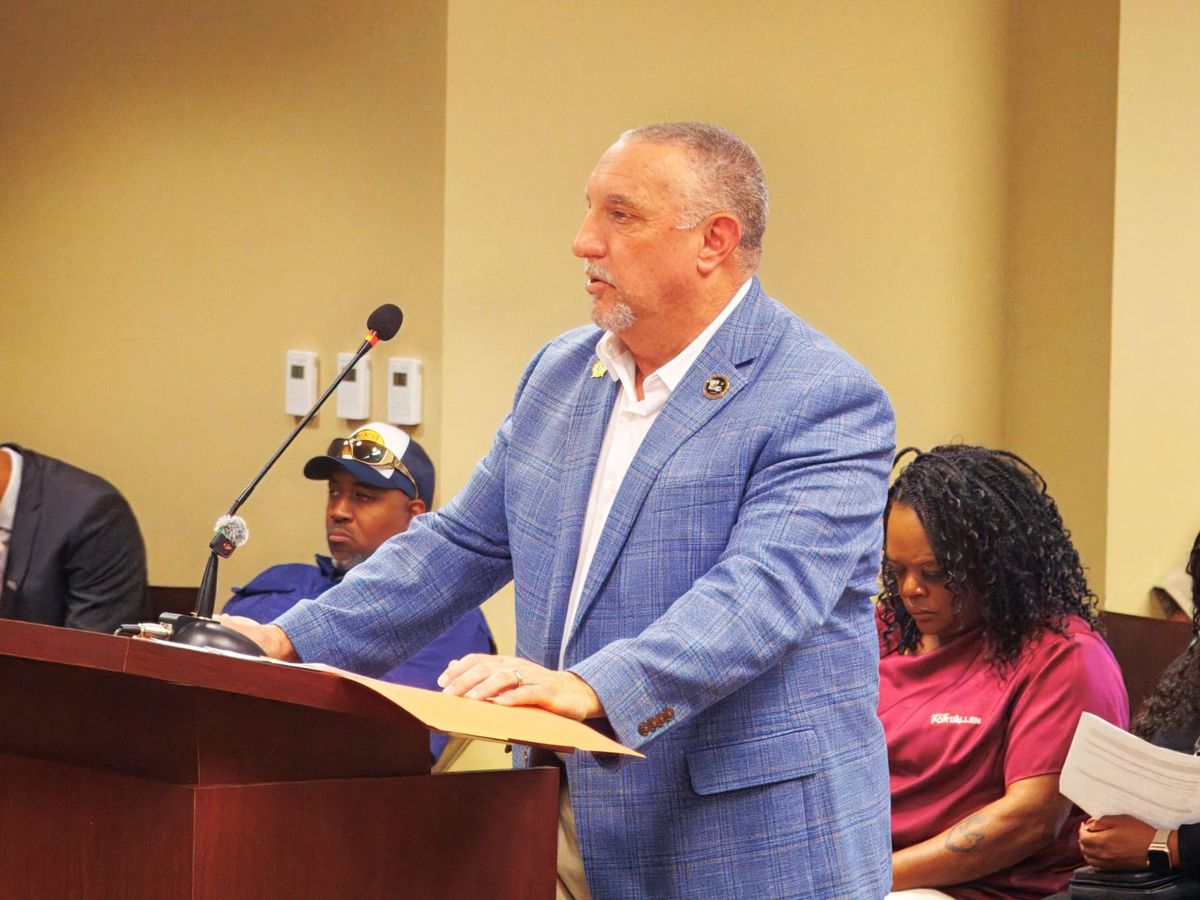
A motion to introduce the ordinance got no second, leaving the marshal's office in limbo under a new state law.
PORT ALLEN — The Port Allen City Council declined to move forward with an ordinance that would have allowed the city marshal's office to keep operating in Ward 3 inside the City Limits, after a motion to introduce the measure failed for lack of a second Wednesday night.
City Marshal Sonny Massey came before the council asking for the ordinance, which is now required under House Bill 1038, passed by the Louisiana Legislature this year. The new law says marshals need an ordinance agreement with the governing authority where their court is based before they can exercise police powers in that jurisdiction.
Without it, Massey's deputies lose the authority to make traffic stops, serve warrants or respond to calls, duties the office has carried out in Ward 3 for roughly 60 years.
Councilman Hubble made a motion to introduce the ordinance. No one seconded it, and the motion died.
What the ordinance would have done
The proposed ordinance would have formalized the marshal's office role in Ward 3, covering everything from traffic enforcement to serving court papers and providing security at Port Allen City Court.
Massey told the council he was not trying to replace Chief Donovan Mitchell or the city police. "I'm not here to take chief's job," Massey said. He said he inherited the office in 2023 and reduced the force from 27 deputies to three, operating without requesting city funding.
Constituent complaints drove opposition
Councilwoman Joseph led the opposition, saying her phone had been ringing with complaints from residents about the volume of citations.
"I had a lot of people calling, a lot of my constituents calling. They're not happy about it," Joseph said. She pointed out that the marshal's office averages roughly 400 tickets a month in a city with a population barely over 5,000.
Joseph compared the office to Baton Rouge constables, who she said hold similar authority but do not write traffic tickets. "They have the same power that the marshals do, but they don't do it," she said.
She also questioned whether the deputies needed to be on the road at all, asking Massey what his office does beyond ticket-writing. Massey listed serving subpoenas, handling evictions, providing court security and executing warrants as part of the job.
Court clerk warned of financial fallout
Chrissy Simoneaux, clerk of Port Allen City Court for 26 years, told the council the decision could cost the city real money.
Simoneaux said the court is currently self-sufficient because of the revenue the marshal's office brings in through citations and fees. If the marshal loses his authority, she said, the city of Port Allen would have to pick up the tab — not just for the marshal's office, but for city court operations including office supplies, salaries and court programs that run about $125,000.
"Right now, basically the court is self-sufficient because of the marshal's office," Simoneaux said. "If he doesn't have his marshal's office anymore, then the city of Port Allen is going to be responsible for not only parts of the marshal's office, but the city court itself."
She added that the city already receives a monthly check from city court based on fines collected from tickets written within the city limits — including tickets written by the city police department.
Simoneaux explained that the new law grew out of a dispute in Thibodaux between the mayor and the city marshal there. A state representative brought the issue to the legislature, and the resulting law now requires all marshals to secure an ordinance from their local governing authority.
Adrian Daigle pushed back on the math
Finance Director Adrian Daigle argued the council was looking at the issue too narrowly. He pointed to the city's Ward 3 map, noting the marshal's jurisdiction covers areas well beyond the city limits — areas where the city police have no authority.
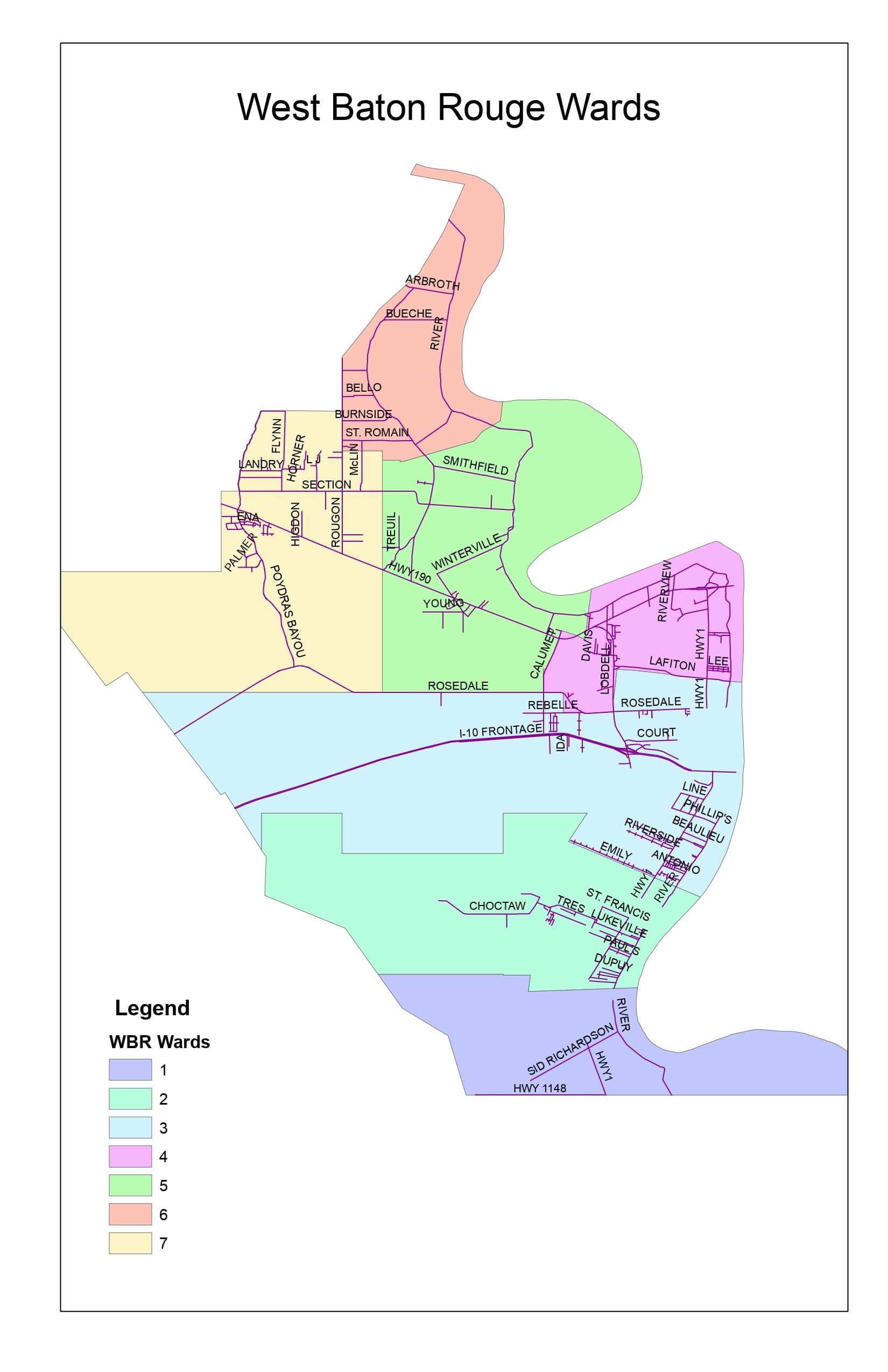
Daigle, who spent four years as a city meter reader, said city employees sometimes encounter situations outside the police department's jurisdiction, like a customer who had bypassed a utility meter. The marshal's office gave the city one more resource to call in those areas, he said.
On finances, Daigle said the city appropriated just $160,000 total in its budget to fund the entire judicial system. "If we take away their source of revenue, it's going to be a significant impact to the city of Port Allen," Daigle said.
Deputy described enforcement methods
Deputy Marshal Jason Fontenot, the only full-time deputy, told the council he has been with the office since 2015 on a part-time basis and full-time since June 2025. He described using a system to run license plates and check for expired registrations, suspended licenses and no insurance before making stops.
"I primarily work for a 15, though — no insurance, expired registrations. Every other car has somebody suspended driving," Fontenot said.
Joseph pressed him on the methods, asking how he could tell a registration was expired from a passing car. Fontenot explained he checks the sticker year, then runs the plate through a database to confirm before pulling anyone over.
Attorney flagged a problem in the draft
City attorney Evan Alvarez raised a concern about Section 6 of the draft ordinance, which would have required a two-thirds vote of the council to repeal or modify it.
"We don't do that for any other ordinance. So I don't think we would do that for this one," Alvarez said.
Massey said he and Alvarez had agreed after the committee meeting to remove that language. But when the council asked whether the revisions had been completed, Massey acknowledged they had not.
Chief said the relationship works
When Joseph asked Chief Mitchell directly about the marshal's office, the chief said he and Massey have a good working relationship. "I can call Sonny, and when I do speak with him about whatever it is, the constituents that come to me about, we do rectify the situation," Mitchell said.
Alvarez reminded the council that Wednesday's vote was only on introducing the ordinance — not final adoption, which would not have come until the following month. Still, no council member besides Hubble was willing to move it forward.
The council then moved on to other business, including hiring a new school resource officer.
The ordinance would need to be reintroduced at a future meeting for the marshal's office to retain its authority in Ward 3 under House Bill 1038.